
Internal controls may not always feel urgent during the year. Your team is busy paying bills, recording donations, managing grants, preparing reports, and keeping programs moving.
Then audit season arrives, and the accounting process comes under a closer lens.
Suddenly, every missing approval, late reconciliation, unclear allocation, and undocumented review becomes much harder to ignore.
For nonprofits, internal controls are not just policies on paper. They are part of the organization’s accounting infrastructure. Strong controls help protect funds, support accurate financial reporting, reduce audit risk, and give leadership confidence in the numbers.
If your organization is reviewing its financial controls or building a nonprofit internal controls checklist, audit findings are a good place to start. They often reveal where the accounting process needs more structure, documentation, or oversight.
The challenge is that many nonprofits operate with lean teams. One person may handle several accounting duties. Processes may be informal because everyone knows each other. Approvals may happen through quick conversations instead of documented workflows. Those shortcuts can feel efficient in the moment, but they can create problems during an audit.
Here are some of the most common nonprofit internal control weaknesses that show up during an audit, along with why they matter.
1. Lack of Segregation of Duties
Segregation of duties is one of the most common internal control challenges for nonprofits.
In a perfect structure, different people would be responsible for approving transactions, recording transactions, handling cash, reconciling accounts, and reviewing reports. This reduces the risk of errors, misuse of funds, or transactions being processed without proper oversight.
But many nonprofits have small finance teams. One person may enter bills, prepare checks, reconcile bank accounts, and maintain vendor records. Partnering with a specialized nonprofit bookkeeping service can establish these compensating boundaries organically by introducing an external layer of structural oversight. That does not automatically mean something is wrong, but it does mean the organization needs compensating controls.
Auditors often look closely at whether one person has too much control over a financial process without review.
A nonprofit may strengthen this area by having leadership or a board member review bank reconciliations, requiring dual approval for payments, limiting system access, or reviewing vendor changes before payments are issued.
At JFW Accounting Services, we understand that nonprofits may not always have large accounting departments. The goal is not to create unnecessary layers. The goal is to design practical controls that fit the size and structure of the organization.
2. Missing or Inconsistent Approvals
Approvals are a simple but important part of nonprofit internal controls.
An audit may reveal that expenses were paid without documented approval, credit card charges were not reviewed, payroll changes were not authorized, or journal entries were posted without a second review.
The issue is not always that the expense was inappropriate. The issue is that the organization cannot show who reviewed it, when it was approved, and whether it followed policy.
That creates audit risk because approvals provide evidence that management is monitoring financial activity.
Common approval weaknesses include:
- Invoices paid without documented approval
- Expense reports missing supervisor review
- Credit card transactions approved after payment
- Journal entries posted without review
- Payroll changes made without authorization
- Grant expenses approved informally but not documented
A consistent approval process helps protect the organization and the people responsible for managing funds.
If approvals happen by email, in the accounting system, or through a formal workflow, the key is that they should be clear, timely, and easy to support later.
3. Late Bank and Credit Card Reconciliations
Reconciliations are one of the best ways to catch errors before they become larger problems.
When bank and credit card reconciliations are late, financial reports may not reflect accurate cash balances or expense activity. Missing deposits, duplicate payments, unauthorized charges, miscoded transactions, or timing issues can go unnoticed.
Auditors often review whether reconciliations were completed on time and whether someone reviewed them.
A common weakness is that reconciliations are prepared, but there is no evidence of review. Another issue is that reconciliations are completed only when audit preparation begins. By then, the accounting team may be trying to clean up months of activity under pressure. Top accounting firms for nonprofits emphasize maintaining these routine tasks month-by-month to prevent end-of-year ledger emergencies.
Nonprofits should reconcile bank accounts, credit cards, and other key balance sheet accounts every month.
Monthly reconciliations support:
- Accurate financial statements
- Stronger cash management
- Better expense tracking
- Faster month-end close
- Cleaner audit preparation
- More reliable board reporting
At JFW, we see monthly reconciliations as one of the most important habits in nonprofit accounting. Clean year-end reporting starts with clean monthly records.
4. Weak Expense Review
Expenses are a common audit focus because they affect cash, grant reporting, functional expense reporting, and budget management. Auditors may also review how expenses are classified among program services, management and general activities, and fundraising activities for financial statement reporting purposes.
Weak expense review can show up in several ways. Receipts may be missing. Credit card charges may not have business purposes documented. Expenses may be charged to the wrong program or grant. Reimbursements may be paid without proper support.
For nonprofits managing restricted funds or grants, expense review becomes even more important. The organization needs to show that costs were allowable, properly coded, approved, and supported.
A weak expense review process can lead to issues such as:
- Missing receipts or invoices
- Expenses without a clear business purpose
- Personal or unallowable costs charged to the organization
- Grant expenses charged to the wrong award
- Late credit card coding
- Reimbursements issued without documentation
- Expenses recorded in the wrong period
The solution is not simply to review expenses during audit preparation. Expense review should happen throughout the year.
A strong process should confirm that expenses are supported, approved, coded correctly, and aligned with the organization’s policies before they are posted or reimbursed.
5. Undocumented Allocation Methods
Nonprofits often need to allocate costs across programs, grants, departments, or funding sources.
This may include shared payroll, rent, utilities, software, insurance, administrative support, or other common costs. Allocations are normal in nonprofit accounting, but they need to be reasonable, consistent, and documented.
During an audit, problems can arise when the organization cannot explain how allocations were calculated.
For example, an auditor may ask why a certain percentage of rent was charged to one program or why an employee’s salary was split across multiple grants. If the answer is based on estimates that were never documented or updated, the organization may have a control weakness.
Allocation methods should be based on supportable data when possible. That may include time records, square footage, headcount, usage, budgeted effort, or another reasonable basis.
Nonprofits should also review allocation methods periodically. A method that made sense two years ago may no longer reflect how the organization operates today.
At JFW Accounting Services, we help nonprofits build allocation processes that are practical, consistent, and easier to support during an audit.
6. Poor Grant Tracking and Compliance Review
Grant funding adds another layer of internal control responsibility.
Nonprofits need to track grant budgets, restrictions, reporting deadlines, allowable costs, reimbursement requests, and documentation. If grant activity is tracked in spreadsheets or handled separately from the accounting system, errors can be harder to catch.
Common grant-related control weaknesses include:
- Grant expenses not coded separately
- Reimbursement requests that do not tie to the general ledger
- Missing support for allowable costs
- Expenses charged outside the grant period
- Reports submitted without finance review
- Grant budgets not monitored regularly
- Restricted funds not tracked clearly
These issues can create audit findings, delay reimbursement, or weaken funder confidence.
Grant compliance should not be handled only at reporting deadlines. Nonprofits should review grant activity monthly so finance and program teams can identify issues early.
Using proactive audit support services during the fiscal year is especially important for organizations that receive federal funding or prepare for a Single Audit.
7. Journal Entries Without Review
Journal entries can significantly affect financial reporting.
They may be used to record allocations, correct coding, recognize revenue, adjust accruals, release restrictions, or reclassify expenses. Because journal entries can change the financial statements directly, they should be reviewed carefully. Auditors often pay particular attention to manual or unusual journal entries because they can bypass routine transaction controls.
A common audit issue is that journal entries are prepared and posted by the same person without documented review.
This creates risk because errors may not be caught before financial statements are prepared. It can also make it harder to show auditors that management is reviewing significant adjustments.
A stronger process includes:
- Clear support for why the journal entry was needed
- Documentation of the calculation
- Review by someone other than the preparer
- Approval for significant or unusual entries
- Consistent naming and coding for easier tracking
Journal entry review does not need to slow the accounting process down. It simply creates a stronger layer of oversight.
8. Board Financial Oversight Is Too Limited
Board oversight is an important part of nonprofit financial control.
The board does not need to manage day-to-day accounting. But it should review financial information, ask questions, understand major risks, and monitor the organization’s financial health.
During an audit, limited evidence of financial oversight may raise questions about how financial risks, significant variances, and audit results are monitored by governance.
Strong board financial oversight may include regular review of:
- Statement of financial position
- Statement of activities
- Budget versus actual results
- Cash flow
- Restricted funds
- Grant activity
- Significant variances
- Audit findings or management letter comments
This is not about giving the board more reports. It is about giving the board better information.
At JFW, we help nonprofits create financial reporting that gives boards clarity instead of noise. When the board understands the numbers, it can provide stronger oversight and better support leadership decisions.
9. Accounting System Access Is Not Reviewed
Accounting system access is easy to overlook.
As staff roles change, employees leave, or responsibilities shift, users may keep access they no longer need. This can create risk if someone can approve payments, change vendor information, post journal entries, or view sensitive payroll data without a valid business reason.
Auditors may ask whether system access is reviewed and whether permissions align with job responsibilities.
Nonprofits should perform documented user access reviews at least annually and whenever significant staffing changes occur.:
- Who has access to the accounting system
- What each user can do
- Whether former employees have been removed
- Whether approval permissions are appropriate
- Whether access supports segregation of duties
- Whether sensitive data is properly limited
Access reviews are especially important when nonprofits use multiple systems for accounting, payroll, expenses, grants, or donor management.
Strong access controls help protect financial information and reduce the risk of unauthorized activity.
Why These Weaknesses Matter During an Audit
Many internal control weaknesses are not dramatic. They may look like small process gaps throughout the year.
But during an audit, those small gaps can add up.
A missing approval may lead to a control comment. Late reconciliations may raise questions about financial reporting. Unsupported allocations may require adjustments. Weak grant tracking may create compliance concerns. Limited board oversight may suggest that financial review is not strong enough.
The goal is not perfection. The goal is consistency, documentation, and accountability.
Strong internal controls help nonprofits:
- Reduce audit findings
- Improve financial reporting
- Protect restricted funds
- Strengthen grant compliance
- Support board oversight
- Improve month-end close
- Build confidence with funders and donors
Internal controls are not just about preventing problems. They help nonprofit leaders make better decisions with more reliable information.
Strengthen Nonprofit Internal Controls With JFW Accounting Services
Nonprofit internal controls should support the organization, not overwhelm it.
The right controls create structure, protect resources, and give leadership confidence in the numbers. They also make audit preparation less stressful because the documentation, approvals, reconciliations, and reviews are already part of the monthly process.
At JFW Accounting Services, we help nonprofits identify internal control weaknesses, improve accounting processes, strengthen financial reporting, and prepare for audits with more confidence. Whether your organization is dealing with late reconciliations, unclear approvals, weak expense review, grant tracking issues, or board reporting challenges, our team can help build practical accounting controls that fit your organization’s needs.
Contact us today to learn how JFW Accounting Services can help your nonprofit strengthen internal controls and improve audit readiness.
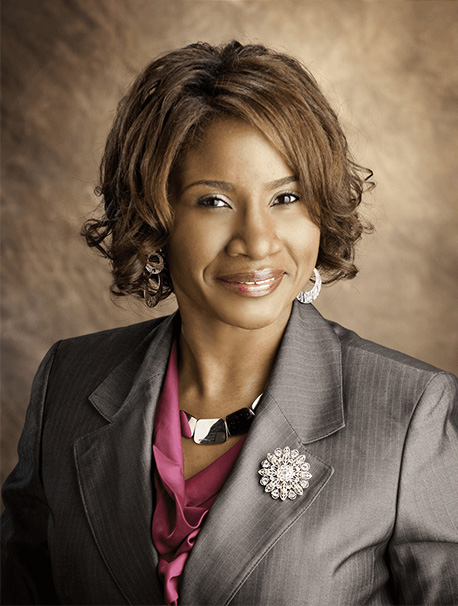
Jo-Anne Williams Barnes, is a Certified Public Accountant (CPA) and Chartered Global Management Accountant (CGMA) holding a Master’s of Science in Accounting (MSA) and a Master’s in Business Administration (MBA). Additionally, she holds a Bachelor of Science (BS) in Accounting from the University of Baltimore and is a seasoned accounting professional with several years of experience in the field of managing financial records for non-profits, small, medium, and large businesses. Jo-Anne is a certified Sage Intacct Accounting and Implementation Specialist, a certified QuickBooks ProAdvisor, an AICPA Not-for-Profit Certificate II holder, and Standard for Excellence Licensed Consultant. Additionally, Jo-Anne is a member of American Institute of Certified Public Accountant (AICPA), Maryland Association of Certified Public Accountants (MACPA), and Greater Washington Society of Certified Public Accountants (GWSCPA) where she continues to keep abreast on the latest industry trends and changes.