
Federal funding can help a nonprofit expand programs, serve more people, and strengthen its mission. But it also comes with added responsibility, especially when federal award spending triggers a Single Audit.
Many nonprofits wait until audit season to organize grant documentation, review federal award activity, or prepare the Schedule of Expenditures of Federal Awards, commonly called the SEFA. By then, the process can feel rushed. Missing support, unclear coding, incomplete approvals, and unreconciled grant activity can quickly turn audit preparation into a stressful scramble.
Single Audit readiness should begin long before year-end.
Since this blog is publishing in June, now is the right time for nonprofits to pause and review where things stand. There is still time to strengthen documentation, review Uniform Guidance compliance, update federal award tracking, test internal controls, and correct issues before the year-end rush begins.
A smoother Single Audit process is built through consistent monthly review. That means keeping grant records current, reviewing allowable costs, organizing procurement documentation, monitoring subrecipients, and making sure federal award activity reconciles to the general ledger.
Here are the key areas your nonprofit should review now to prepare for a Single Audit before year-end.
1. Know Whether Single Audit Support Services Apply to Your Funding
Before your organization can prepare properly, it needs to know whether a Single Audit may be required.
A Single Audit generally applies when a nonprofit expends $1 million or more in federal awards during its fiscal year, including both direct federal funding and pass-through awards.
That distinction matters. Some organizations do not realize they are receiving federal funds because the money comes through a pass-through entity. If the award originated at the federal level, it may still count toward the Single Audit threshold.
Your finance team should review all grants, contracts, and award documents to identify:
- Direct federal awards
- Federal funds passed through another entity
- Assistance Listing Numbers (formerly known as CFDA numbers)
- Federal agencies
- Pass-through entities
- Award periods
- Amounts expended to date
This review is especially useful at midyear. If federal expenditures are trending toward the threshold, your organization still has time to prepare before year-end instead of discovering the requirement during audit planning.
At JFW Accounting Services, we help nonprofits understand how federal funding flows through their organization so audit requirements do not catch leadership off guard.
2. Keep the SEFA Updated Throughout the Year
The SEFA is one of the most important pieces of a Single Audit.
It lists the federal awards your nonprofit expended during the year and helps the auditor understand which federal programs were active and which programs may need to be tested.
A complete SEFA usually includes details such as the federal agency, pass-through entity, Assistance Listing Number, program name, award number, and federal expenditures.
Think of the SEFA as the roadmap for the Single Audit. If the roadmap is incomplete, the audit can quickly become more difficult.
Nonprofits should not treat the SEFA like a year-end project. It should be maintained throughout the year and reconciled regularly to the general ledger. Grant agreements, award letters, reimbursement records, and expenditure detail should all support the amounts reported.
A strong SEFA process helps your organization answer important questions before the audit begins:
- Are all federal awards included?
- Are pass-through funds properly identified?
- Do expenditures agree with the general ledger?
- Are Assistance Listing Numbers documented?
- Are award periods and program names accurate?
- Are reimbursement requests consistent with recorded expenses?
By June, your organization likely has enough activity to spot early issues. If the SEFA is not being updated, now is the time to start building it before year-end activity makes the process more difficult.
3. Review Allowable Costs While There Is Still Time to Correct Issues
Allowable costs are a major part of Uniform Guidance compliance.
Your nonprofit needs to show that costs charged to federal awards are reasonable, necessary, properly approved, within the period of performance, and consistent with the grant requirements.
It is not enough to know that the organization spent the money for the right reason. The documentation needs to support that conclusion.
Midyear is a practical time to review grant expenses for common issues such as costs charged to the wrong award, expenses outside the period of performance, missing receipts or invoices, unsupported payroll allocations, expenses that do not match the approved budget, or costs that were not reviewed before reimbursement.
This review is easier when grant expenses are coded correctly throughout the year. If your accounting system does not clearly track costs by grant, program, fund, department, or project, your team may spend too much time reconstructing activity later.
At JFW, we encourage nonprofits to review grant expenses monthly, not just during audit preparation. This gives your team time to correct coding issues, gather missing support, and avoid surprises.
4. Strengthen Internal Controls Over Compliance
A Single Audit does not only test what happened. It also looks at the process behind what happened.
Auditors want to understand whether your nonprofit has internal controls that help prevent or detect compliance issues. In other words, they are not only asking whether a cost was allowable. They are also asking how management made sure the cost was allowable before it was charged to the federal award.
Important controls may include:
- Grant budget review
- Approval of grant-related expenses
- Review of reimbursement requests
- Payroll allocation review
- Procurement review
- Reconciliation of grant activity
- Review of reports before submission
- Monitoring of subrecipients, if applicable
- Review of SEFA completeness
These controls do not have to be overly complicated. But they do need to be clear, documented, and consistently performed. They should also incorporate appropriate segregation of duties whenever possible. Separating responsibilities for approval, payment processing, reconciliation, and compliance review helps reduce the risk of errors and strengthens oversight of federal award activity.
June is a good time to ask whether these controls are actually happening, not just whether they exist in theory. If reviews are informal, approvals are inconsistent, or documentation is missing, your organization still has time to improve the process before year-end.
Strong nonprofit internal controls also help leadership and the board feel more confident in the organization’s financial management. Reviewing historical audit findings is an excellent starting point if your team is currently updating its own nonprofit internal controls checklist.
5. Organize Procurement Documentation Before It Becomes Harder to Recreate
Procurement is a common area of Single Audit attention because federal awards often come with specific requirements around how goods and services are purchased. Depending on the purchase amount and the terms of the award, organizations may need to document quotes, competitive procurement processes, or sole-source justifications.
If your nonprofit uses federal funds to pay vendors, contractors, consultants, equipment providers, or service providers, your team should be able to show how those purchasing decisions were made.
Now is a good time to review whether you have documentation such as:
- Procurement policies
- Vendor selection support
- Quotes or bids, when required
- Conflict of interest documentation
- Contract approvals
- Purchase orders, if used
- Invoices and proof of payment
- Evidence that the cost was charged to the right award
The goal is to show that purchases were reasonable, properly approved, and aligned with the award requirements.
Procurement documentation can be hard to recreate after the fact. If your nonprofit waits until audit season to gather support, staff may not remember why one vendor was selected or where approval records were stored.
6. Review Payroll and Labor Allocations
Payroll is often one of the largest expenses charged to federal grants.
When employees work across multiple programs, grants, departments, or funding sources, labor costs need to be allocated accurately and supported by appropriate documentation.
Before year-end, review whether payroll allocations are current, approved, and tied to the work performed. If employees are charged to federal awards, your organization should be able to show how those amounts were determined and reviewed. Documentation should reasonably reflect the actual work performed and support the allocation methodology used by the organization.
Common payroll-related issues include outdated allocation percentages, missing approval records, inconsistent time tracking, labor charged to the wrong grant, or payroll allocations that do not match actual activity.
By reviewing payroll allocations at midyear, your nonprofit can catch issues while there is still time to adjust procedures, correct coding, and improve documentation for the rest of the fiscal year.
A clean payroll allocation process supports grant reporting, reimbursement requests, and audit readiness. It also helps leadership understand the true cost of delivering programs.
7. Monitor Subrecipient Activity
If your nonprofit passes federal funds to another organization, subrecipient monitoring may be part of your Single Audit preparation.
Subrecipient monitoring helps show that your organization has oversight of the federal funds it passes through to others. This may include reviewing agreements, understanding reporting requirements, monitoring performance, reviewing financial reports, and following up on issues when needed.
During the middle of the year, make sure your organization has a clear list of subrecipients and that documentation is organized. This may include signed agreements, risk assessments, monitoring procedures, reports received, payment records, and evidence of follow-up.
Subrecipient monitoring is easy to overlook when the focus is on your own organization’s expenses. However, if your nonprofit passes federal funds through to another entity, the responsibility does not end when the payment is made.
8. Reconcile Grant Activity Monthly
Monthly reconciliation is one of the best ways to prepare for a Single Audit before year-end.
Your grant records, reimbursement requests, receivables, deferred revenue, expenses, and general ledger should tell the same story. If they do not, it is better to identify that issue during the year instead of during fieldwork.
Monthly grant reconciliation can help your nonprofit confirm that federal expenditures are recorded correctly, reimbursements agree to supporting detail, receivables are accurate, deferred revenue is reviewed, and grant budgets are monitored.
It can also help your team identify missing documentation before too much time passes.
At JFW, we see monthly close as a key part of nonprofit audit preparation. Clean financials do not happen at year-end. They are built through consistent accounting habits throughout the year. Building strong governance metrics also means establishing a reliable nonprofit board review process well before audit fieldwork begins.
9. Involve Leadership and the Board Before Audit Season
A Single Audit is not only an accounting milestone. It is also a governance milestone.
Leadership and the board should understand why the audit may be required, which federal programs are significant, what compliance risks exist, and whether the organization has the people, systems, and controls needed to manage federal funding well.
By midyear, management should consider sharing updates with the board or audit committee on:
- Federal funding levels
- Single Audit readiness
- Major grant compliance requirements
- Internal control improvements
- Expected audit timeline
- Known documentation gaps
- Areas where additional support may be needed
This helps avoid surprises later. It also reinforces that federal grant compliance is part of the organization’s broader financial oversight responsibility.
Common Single Audit Issues Nonprofits Can Address Now
Many Single Audit delays and findings are preventable. During the middle of the year, review whether your nonprofit may have exposure in areas such as:
- Incomplete SEFA reporting
- Missing Assistance Listing Numbers
- Unsupported payroll allocations
- Weak procurement documentation
- Expenses charged outside the period of performance
- Reimbursement requests that do not reconcile to the general ledger
- Missing receipts, invoices, or approvals
- Undocumented internal controls
- Late or incomplete grant reports
- Limited subrecipient monitoring
These are not always mission problems. Most of the time, they are accounting, documentation, process, or systems issues.
Addressing them now gives your nonprofit a stronger chance of moving through the audit with fewer surprises later.
Prepare Before the Year-End Rush With JFW Accounting Services
Federal funding can help your nonprofit do more, but it also requires your organization to prove more.
A Single Audit looks beyond the numbers. It looks at the systems, controls, documentation, and compliance practices behind those numbers. That is why preparation should begin well before year-end.
June is the right time to review your federal awards, strengthen documentation, update the SEFA, test internal controls, and make sure your accounting records can support the story your nonprofit needs to tell.
At JFW Accounting Services, we help nonprofits strengthen their accounting processes, prepare for audit requirements, improve grant tracking, and build clearer financial controls. Whether your organization is preparing for its first Single Audit or wants to improve readiness after a challenging audit season, the right accounting partner can help you move forward with more confidence.
Contact us today to learn how JFW Accounting Services can help your nonprofit prepare for a Single Audit with stronger documentation, cleaner reporting, and better financial oversight.
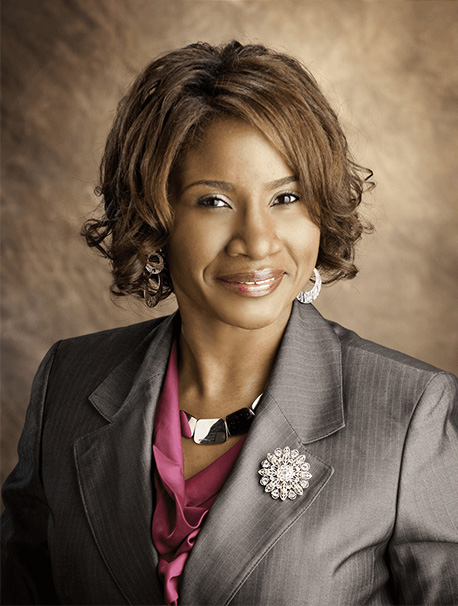
Jo-Anne Williams Barnes, is a Certified Public Accountant (CPA) and Chartered Global Management Accountant (CGMA) holding a Master’s of Science in Accounting (MSA) and a Master’s in Business Administration (MBA). Additionally, she holds a Bachelor of Science (BS) in Accounting from the University of Baltimore and is a seasoned accounting professional with several years of experience in the field of managing financial records for non-profits, small, medium, and large businesses. Jo-Anne is a certified Sage Intacct Accounting and Implementation Specialist, a certified QuickBooks ProAdvisor, an AICPA Not-for-Profit Certificate II holder, and Standard for Excellence Licensed Consultant. Additionally, Jo-Anne is a member of American Institute of Certified Public Accountant (AICPA), Maryland Association of Certified Public Accountants (MACPA), and Greater Washington Society of Certified Public Accountants (GWSCPA) where she continues to keep abreast on the latest industry trends and changes.