

For nonprofits, expense management is more than an administrative task. It is part of your accounting control structure.
When your organization manages restricted funds, grants, reimbursements, credit cards, and board reporting, every expense needs to be captured correctly. A missing receipt, delayed expense report, miscoded transaction, or weak approval process can create problems that show up during month-end close, grant reporting, or audit preparation.
It is easy for expenses to become messy. Employees submit receipts late. Credit card charges wait until the statement arrives. Finance teams spend too much time following up for documentation. Coding errors delay reporting. Grant expenses may not get assigned to the right program, department, or cost center.
Over time, those issues affect more than efficiency. They affect visibility, compliance, internal controls, and trust in the numbers.
Sage Expense Management helps nonprofits automate the expense process from receipt to reimbursement. When connected with Sage Intacct, it can help finance teams capture receipts faster, reduce manual data entry, improve credit card reconciliation, and push expense data into the accounting system with the right dimensions.
Here are five ways Sage Expense Management can strengthen nonprofit expense tracking and internal controls.
1. Faster Receipt Capture Reduces Missing Documentation
Receipts are one of the most common pain points in nonprofit expense tracking.
Employees may lose paper receipts, forget to submit digital receipts, or wait until the end of the month to send everything at once. By then, the finance team is left chasing documentation and trying to match expenses to the correct transaction.
That slows down the close process and creates unnecessary risk.
Sage Expense Management makes receipt capture easier by allowing employees to submit receipts in real time. Receipts can be captured from paper or digital sources, including mobile upload, text, email forwarding, Gmail, Outlook, Slack, or the Sage Expense Management app.
This helps employees submit expenses while the details are still fresh.
Instead of waiting for receipts to arrive days or weeks later, the system can begin capturing and organizing expense information as spend happens. Sage Expense Management can use AI-assisted data extraction and coding suggestions to reduce manual entry and improve efficiency.
For nonprofits, this matters because documentation supports accountability. If an expense is charged to a restricted grant, program, or department, your organization needs clear support for why that cost belongs there. For organizations receiving government funding, expense documentation also supports compliance with allowability and allocation requirements under grant agreements.
At JFW Accounting Services, we often see that expense problems are not caused by one large mistake. They come from small gaps repeated over time. Faster receipt capture helps close those gaps before they turn into reporting or audit issues.
2. Streamlining Month-End Close to Avoid Messy QuickBooks Clean Up Services
Credit card reconciliation can become one of the most time-consuming parts of the month-end close.
Finance teams often wait for statements, download transactions, match receipts, follow up with employees, review coding, and resolve missing information. When nonprofit teams are already stretched, this process can delay reporting and create frustration for everyone involved.
Sage Expense Management helps automate credit card reconciliation by connecting existing credit cards and pulling in live card feeds. Transactions flow into the system as spending happens, giving finance teams more current visibility instead of waiting until the statement closes.
Once a receipt is submitted, Sage Expense Management can automatically match it to the right credit card transaction. This reduces manual matching and helps eliminate hours of back-and-forth between employees and the accounting team.
This is especially helpful for nonprofits that manage multiple cards, programs, grants, or departments. A credit card charge is not complete just because it appears on a statement. It still needs to be supported, approved, coded, and posted correctly.
Automated reconciliation helps make that process cleaner.
It can also help nonprofit leaders understand spending sooner. Instead of learning about expense activity after month-end, finance teams can see spend as it occurs and respond more quickly when something needs attention.
3. Improving Coding Structures for Restricted Grant Expense Tracking
For nonprofits, coding is not just a bookkeeping detail. It affects grant reporting, restricted fund tracking, budget monitoring, and financial statements.
An expense may need to be assigned to the right:
- Grant
- Program
- Department
- Project
- Location
- Vendor
- Cost center
- Expense type
- General ledger account
When coding is done manually, errors are easy to miss. A transaction may be charged to the wrong grant, assigned to the wrong department, or left without the detail needed for accurate reporting.
Sage Expense Management helps reduce that risk by connecting expense data with Sage Intacct. Expense details can be synced into Sage Intacct with dimensions such as projects, departments, locations, cost centers, expense types, GL accounts, and custom dimensions depending on the organization’s setup.
That is important for nonprofits managing restricted grants.
If a grant requires certain costs to be tracked by program, project, or cost category, the system needs to support that structure from the beginning. Waiting until reporting time to clean up coding creates more work and increases the chance of errors.
When expense data flows into Sage Intacct with the right dimensions, your nonprofit can produce cleaner reports and spend less time reconstructing activity later.
At JFW, we help nonprofits think through how dimensions should be structured so expense data supports the reports leadership, boards, funders, and auditors need to see.
4. Approval Workflows Strengthen Internal Controls
Strong nonprofit internal controls depend on clear approval processes.
Your organization needs to know who approved an expense, whether the expense followed policy, whether documentation was attached, and whether the cost was coded properly. Without a consistent process, approvals can become informal, delayed, or difficult to support later.
Sage Expense Management helps nonprofits build approval workflows that match the organization’s needs. Approvals can be routed by project, department, manager, grant, or other criteria depending on how the organization operates. While technology can support internal controls, organizations must still establish appropriate approval authority, segregation of duties, and expense policies.
That gives nonprofits more control without adding unnecessary manual steps.
The system can also help enforce spending policies in real time. Business rules can flag missing receipts, duplicate submissions, noncompliant expenses, or unusual activity before the expense moves forward.
This is valuable because internal controls work best when they happen during the process, not after the fact.
Effective expense management also supports segregation of duties, a foundational internal control for nonprofits. Separating expense submission, approval, reimbursement, and reconciliation responsibilities helps reduce the risk of errors, inappropriate transactions, and unsupported grant expenditures. This level of oversight is particularly important for organizations managing restricted funding, government grants, or complex compliance requirements.
For example, if an employee submits a grant-related expense without proper support, that issue should be flagged before reimbursement or posting. If a transaction is outside policy, the right reviewer should see it before it becomes part of the financial records.
That structure helps protect the organization and gives finance teams more confidence in the numbers.
5. Faster Reimbursements Improve Process Without Losing Oversight
Nonprofits want to reimburse employees promptly, but they also need to maintain control.
If reimbursement is too slow, employees become frustrated. If reimbursement is too loose, the organization risks paying expenses without proper review, documentation, or coding.
Sage Expense Management helps balance speed and control. Employees can submit expenses quickly, managers can approve from mobile, email, or Slack, and reimbursements can be processed through ACH, payroll integrations, or other configured payment workflows depending on the organization’s setup.
Payments can also post back to Sage Intacct with audit trails, helping finance teams maintain support for what was reimbursed and why.
This gives nonprofits a more professional and reliable reimbursement process.
It also reduces the time finance teams spend chasing information. When receipts, coding, approvals, and reimbursement data are handled in one connected process, the accounting team can spend more time reviewing activity and less time managing administrative follow-up.
Why Expense Management Matters for Nonprofit Reporting
Expense management affects more than employee reimbursements. It directly impacts the reports your nonprofit relies on to make decisions.
If expenses are late, incomplete, or miscoded, your financial reports may not tell the full story. Grant reports may be inaccurate. Budget-to-actual reports may be misleading. Board reports may not reflect current spending. Month-end close may take longer than it should.
This becomes especially important when nonprofits manage:
- Restricted grants
- Reimbursement-based funding
- Multiple programs
- Multiple departments
- Credit card spending
- Employee travel
- Program-related purchases
- Board financial reporting
- Audit preparation
Sage Expense Management helps bring more structure to these areas by capturing expense data earlier, connecting documentation to transactions, automating reconciliation, enforcing policies, and syncing information with Sage Intacct.
That gives nonprofit leaders a clearer view of spending and gives finance teams a stronger process to support the numbers.
Why Sage Intacct Integration Matters
Sage Expense Management becomes even more powerful when connected with Sage Intacct.
A standalone expense system may help collect receipts, but nonprofit accounting requires more than that. Expense data needs to flow into the accounting system accurately, with the right coding and dimensions.
The Sage Expense Management and Sage Intacct integration can help automate the sync of expense data across both platforms. That includes information such as employees, vendors, expense types, GL accounts, projects, locations, departments, and other dimensions.
For nonprofits, this connection matters because expense activity often needs to be reported in several ways. One transaction may need to appear correctly in the general ledger, grant report, department report, project report, and board financial packet.
When the systems are connected, your team does not have to re-enter the same information in multiple places. That reduces manual work, improves consistency, and helps finance teams close the books with more confidence.
Why Working With a Sage Intacct Consultant Matters
Technology only works well when it is configured around your organization’s real accounting needs.
For Sage Expense Management to support nonprofit internal controls, the setup should reflect how your organization manages expenses, grants, approvals, dimensions, credit cards, reimbursements, and reporting.
Before implementation, nonprofits should think through questions such as:
- Who needs to approve each type of expense?
- Which expenses should require receipts?
- How should credit card charges be reviewed?
- Which dimensions need to sync with Sage Intacct?
- How should grant-related expenses be coded?
- Which expenses should be reimbursable or non-reimbursable?
- What policy rules should be built into the workflow?
- What reports will leadership, boards, and auditors need?
- How should exceptions or missing documentation be handled?
At JFW Accounting Services, we help nonprofits approach Sage Expense Management from an accounting and internal controls perspective. We look at the process behind the software so your organization can improve accuracy, strengthen oversight, and reduce manual work.
We do not just focus on getting the system live. We focus on helping the system support better financial management.
Strengthen Nonprofit Expense Tracking With JFW Accounting Services
Expense management is a critical part of nonprofit accounting. When receipts are missing, credit card charges are delayed, approvals are unclear, or expenses are miscoded, the impact reaches far beyond the reimbursement process.
It affects grant reporting, restricted fund tracking, month-end close, board reporting, and audit readiness.
Sage Expense Management helps nonprofits create a cleaner, more controlled expense process. With faster receipt capture, automated credit card reconciliation, AI-powered coding, approval workflows, policy compliance, reimbursement support, and Sage Intacct integration, your finance team can gain better visibility into spending and reduce the manual work that slows reporting down.
At JFW Accounting Services, we help nonprofits strengthen their accounting systems, improve internal controls, and use Sage solutions with clarity and confidence. Whether your organization is managing restricted grants, struggling with credit card reconciliation, or looking for a more reliable expense process, the right accounting partner can help you build a stronger foundation.
Contact us today to learn how JFW Accounting Services can help your nonprofit improve expense tracking, internal controls, and Sage Intacct expense management.
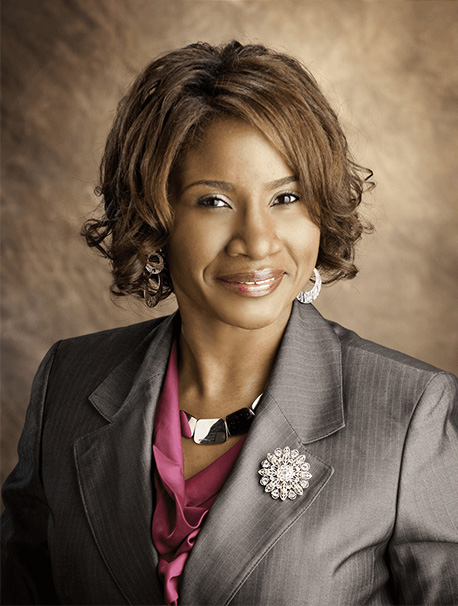
Jo-Anne Williams Barnes, is a Certified Public Accountant (CPA) and Chartered Global Management Accountant (CGMA) holding a Master’s of Science in Accounting (MSA) and a Master’s in Business Administration (MBA). Additionally, she holds a Bachelor of Science (BS) in Accounting from the University of Baltimore and is a seasoned accounting professional with several years of experience in the field of managing financial records for non-profits, small, medium, and large businesses. Jo-Anne is a certified Sage Intacct Accounting and Implementation Specialist, a certified QuickBooks ProAdvisor, an AICPA Not-for-Profit Certificate II holder, and Standard for Excellence Licensed Consultant. Additionally, Jo-Anne is a member of American Institute of Certified Public Accountant (AICPA), Maryland Association of Certified Public Accountants (MACPA), and Greater Washington Society of Certified Public Accountants (GWSCPA) where she continues to keep abreast on the latest industry trends and changes.