

For many nonprofit finance committees, quarterly financial oversight begins with the same report: budget versus actual.
It is an important tool. Understanding where revenue and expenses differ from expectations can help board members identify trends, ask questions, and evaluate financial performance.
But budget-to-actual reporting only tells part of the story.
A nonprofit can be operating close to budget while facing cash flow constraints, increasing dependence on a small number of funders, declining unrestricted resources, or other financial risks that may not be immediately apparent from the income statement.
Strong nonprofit board financial oversight requires finance committees to look beyond historical results and consider the organization’s liquidity, funding structure, reserves, forecasts, and emerging financial risks.
By asking the right questions each quarter, the nonprofit finance committee can help leadership identify challenges earlier and strengthen long-term financial decision-making.
Why Budget-to-Actual Reports Are Only the Starting Point
Budget-to-actual reports provide an important comparison between what an organization expected to happen and what has occurred.
However, they are primarily historical.
A favorable budget variance does not necessarily mean the organization has strong liquidity. Revenue may have been recognized but not yet collected. Expenses may be temporarily lower because planned hiring or program investments have been delayed. Restricted funding may make overall revenue appear strong even when resources available for general operations are limited.
Finance committees should use budget-to-actual reporting as the beginning of the conversation rather than the conclusion.
The more valuable question is often not simply, “Are we on budget?” but, “What do these results tell us about the organization’s financial position over the next several months?”
1. Do We Have Enough Liquidity to Meet Upcoming Obligations?
Cash flow deserves regular attention from every finance committee.
Nonprofits can experience cash flow challenges even when financial statements show positive operating results. Government reimbursement grants may require the organization to incur expenses before receiving payment. Contributions may arrive seasonally, while payroll, rent, insurance, and other obligations continue throughout the year.
Each quarter, finance committees should understand how much liquidity the organization has available and whether that amount is sufficient to meet near-term obligations.
Useful questions include:
- How many months of operating cash are currently available?
- Are significant receivables or grant reimbursements delayed?
- Are there upcoming expenses that could create cash flow pressure?
- Has the organization’s liquidity position improved or declined since the previous quarter?
Monitoring these trends helps leadership identify potential cash constraints before they become urgent.
2. How Much of Our Financial Position Is Actually Unrestricted?
One of the most important distinctions in nonprofit financial reporting is the difference between net assets with and without donor restrictions.
A strong cash balance or positive net asset position can create a misleading sense of financial flexibility if a significant portion of those resources is restricted for specific purposes.
Finance committees should understand what resources are available to support general operations and which are limited by donor-imposed restrictions.
This is particularly important when evaluating liquidity, reserves, and the organization’s ability to respond to unexpected expenses or revenue disruptions.
Board-designated operating reserves should also be reviewed separately. Committees should understand whether reserve levels remain appropriate for the organization’s current size, funding structure, and risk profile.
3. Are We Too Dependent on a Small Number of Funders?
Revenue concentration is another financial risk that may not be obvious from standard financial statements.
A nonprofit may report strong overall revenue while relying heavily on one government contract, foundation grant, major donor, or fundraising event.
Finance committees should periodically evaluate how much of the organization’s revenue comes from its largest funding sources and what would happen if one of those sources were reduced, delayed, or eliminated.
Questions may include:
- What percentage of revenue comes from our largest funders?
- Are any significant grants approaching expiration?
- Have renewal assumptions changed?
- How diversified is our funding model?
- What contingency plans exist if a major funding source is lost?
Understanding concentration risk allows leadership to plan proactively rather than respond after funding changes occur.
4. What Does the Updated Financial Forecast Tell Us?
Budgets establish expectations at the beginning of a fiscal period. Forecasts update those expectations as circumstances change.
That distinction matters.
Organizations may receive unexpected grants, experience staffing changes, encounter higher program costs, or see fundraising results differ from initial assumptions. Continuing to compare performance only against the original annual budget can provide an incomplete picture.
Finance committees should regularly review updated forecasts that incorporate current financial information and realistic assumptions about the remainder of the year.
The conversation can then shift from “What happened?” to “Where are we headed?”
Forecasting gives boards and leadership more time to adjust spending, address revenue gaps, evaluate opportunities, and make informed strategic decisions.
5. What Financial Indicators Are Changing?
Strong nonprofit governance requires attention to trends, not simply individual numbers.
Finance committees should identify a manageable set of financial indicators that reflect the organization’s specific operating model and review them consistently.
Depending on the organization, these may include:
- Days or months of cash on hand
- Operating reserve levels
- Accounts receivable aging
- Grant reimbursement timing
- Revenue concentration
- Budget-to-actual performance
- Fundraising performance
- Program or departmental results
- Unrestricted operating performance
The objective is not to overwhelm board members with additional reports. It is to provide enough relevant information to identify meaningful changes and ask better questions.
Turning Financial Reporting Into Stronger Board Governance
The role of a finance committee is not to manage the organization’s accounting department. It is to provide informed financial oversight and help the board fulfill its fiduciary responsibilities.
Effective nonprofit board responsibilities include understanding the organization’s financial position, evaluating significant risks, and ensuring leadership has appropriate systems and processes in place to manage resources responsibly.
That requires financial reporting designed for decision-making rather than simply presenting numbers.
When finance committees consistently review liquidity, unrestricted resources, funding concentration, forecasts, and key financial indicators, quarterly meetings become more strategic. Instead of discovering problems after they have developed, boards can work with leadership to identify risks earlier and make more informed decisions.
Strengthen Financial Oversight with JFW Accounting Services
At JFW Accounting Services, we help nonprofits strengthen financial reporting and provide leadership and boards with greater visibility into organizational performance. Our outsourced accounting, Virtual Controller, and Fractional CFO services help organizations develop reporting processes that support stronger oversight, forecasting, and strategic decision-making.
Effective financial governance begins with having the right information and knowing which questions to ask.
Explore JFW’s nonprofit accounting services or contact JFW Accounting Services to discuss how your organization can strengthen financial reporting and provide its board and finance committee with greater financial insight.
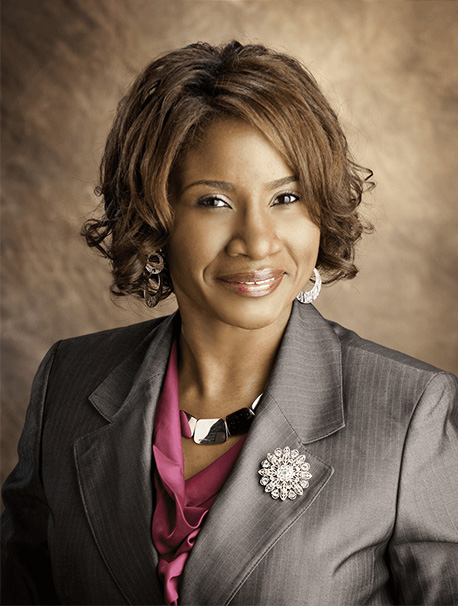
Jo-Anne Williams Barnes, is a Certified Public Accountant (CPA) and Chartered Global Management Accountant (CGMA) holding a Master’s of Science in Accounting (MSA) and a Master’s in Business Administration (MBA). Additionally, she holds a Bachelor of Science (BS) in Accounting from the University of Baltimore and is a seasoned accounting professional with several years of experience in the field of managing financial records for non-profits, small, medium, and large businesses. Jo-Anne is a certified Sage Intacct Accounting and Implementation Specialist, a certified QuickBooks ProAdvisor, an AICPA Not-for-Profit Certificate II holder, and Standard for Excellence Licensed Consultant. Additionally, Jo-Anne is a member of American Institute of Certified Public Accountant (AICPA), Maryland Association of Certified Public Accountants (MACPA), and Greater Washington Society of Certified Public Accountants (GWSCPA) where she continues to keep abreast on the latest industry trends and changes.