

Winning a grant is one of the best feelings in nonprofit work.
You’ve gone through it all for this opportunity. Months of proposals, revisions, relationship-building, and waiting; and then finally, the approval comes through. The funding is secured, the program can move forward. It’s a genuine win worth celebrating.
But here’s the part nobody talks about enough: receiving a grant is really just the beginning. What your organization does next, like how you track the money, how you report on it, how you document every dollar, is what determines whether you keep that funding.
A lot of nonprofits get so focused on winning grants that grant management becomes an afterthought. And that’s where things quietly start to go wrong.
The Difference Between Restricted and Unrestricted Funds (And Why It Matters More Than You Think)
If there’s one concept at the heart of nonprofit grant management, it’s this: not all money is the same.
Unrestricted funds are flexible. They can cover general operations, staffing, overhead, whatever your organization needs.
Restricted funds are a different story. When a grantor awards restricted funding, they’re giving you money for a specific purpose, and using it for anything else (even temporarily and with every intention of replacing it) creates a compliance problem.
This sounds straightforward, but it’s where a surprising number of nonprofits get into trouble. When cash flow gets tight, restricted funds can start to look like available resources. The line blurs. A short-term decision turns into a reporting issue, which turns into an audit finding.
The only real fix is structural. Restricted and unrestricted funds need to be tracked separately in your accounting system from day one; not in a spreadsheet, not in your head, in the system.
Your chart of accounts should make the distinction clear, and your reporting should reflect how each grant was actually used. That level of clarity isn’t just good practice. It’s what keeps you protected.
Grant Reporting Is More Than a Program Update
A lot of organizations put real effort into their narrative reporting (Program outcomes, the stories, the impact metrics). That work matters. Grantors care about it.
But they also care deeply about the financial side of the report, and that part often gets less attention than it deserves.
Strong grant reporting means showing how your actual spending aligned with your approved budget. It means explaining variances. It means documenting that every expense was allowable under the grant terms.
If you’re working with federal funding, it also means correctly separating direct and indirect costs. This is a distinction that has to be consistent and well-documented across every reporting cycle.
When the financial report doesn’t hold up, the program narrative loses credibility regardless of how strong the outcomes were. Numbers and impact have to tell the same story.
The Mistakes We See Most Often
Most grant compliance issues aren’t dramatic. They’re the result of small, manageable problems that compound over time.
Poor Documentation
Poor documentation is probably the most common. “We spent it on the project” isn’t a sufficient answer when a grantor or auditor asks for supporting records.
Invoices, payroll records, allocation methodology is all information that needs to be traceable and available, not reconstructed after the fact.
Comingling Funds
Commingling funds is another common mistake. Managing multiple grants through a single account without structured tracking seems fine until reporting season arrives, when it suddenly becomes very difficult to prove how specific funds were used.
Missing Deadlines
Missed deadlines round out the list. A late report might seem like a minor administrative slip, but to a funder, it signals something about your internal processes. And funders notice patterns.
None of these issues looks catastrophic in isolation. Together, they build a picture that affects how your organization is perceived, and whether that next grant application gets a favorable read.
What Scalable Grant Management Actually Looks Like
Manual systems have a ceiling. A spreadsheet can work when you’re managing one or two grants. Beyond that, it becomes a liability.
What actually works as organizations grow is structure. A grant calendar that maps out every reporting deadline, billing cycle, and compliance checkpoint so nothing falls through the cracks.
A fund accounting system like Sage Intacct where transactions are tagged by grant and program, so reports come from the system rather than from someone assembling data by hand.
It also means getting your development and finance teams working in sync. Development wins the funding. Finance tracks and reports it. When those two functions aren’t communicating regularly, reports become inconsistent, and everyone ends up reactive. Grant management isn’t one department’s job. It’s a shared responsibility that requires shared visibility.
Why This Is Also a Funding Strategy, Not Just Compliance
Here’s something worth sitting with: grantors do their homework.
Before renewing funding or approving a new grant, many funders look at your financial history, your reporting record, and your track record with prior awards.
Organizations that demonstrate clean, consistent, well-documented financial management stand out; not just because they’re compliant, but because they’re less risky to fund.
Strong systems don’t just protect the grants you have. They help you win the ones you’re going after.
Small Gaps Don’t Stay Small
This is probably the most important thing to understand about grant management: problems don’t arrive all at once.
A missed allocation creates a reporting inconsistency. The inconsistency draws additional scrutiny. Scrutiny slows approvals or reduces future awards. Leadership becomes hesitant about certain funders. Grant applications slow down. Opportunities get missed.
That’s how weak financial management affects organizational growth. It’s not in one dramatic moment, but gradually, through compounding effects that are hard to trace back to their source once they’re in motion.
Strong systems reverse that pattern. Consistent processes, accurate tracking, and regular oversight create the kind of financial credibility that keeps funding relationships healthy and doors open.
Building Systems That Protect Your Funding With JFW Accounting Services
At JFW Accounting Services, we work with nonprofits to build accounting systems designed for exactly this: compliance that doesn’t feel like a burden, reporting that strengthens grantor relationships, and financial structures that grow with you as your funding portfolio expands.
If your organization is managing multiple grants or starting to feel the strain of increasing reporting demands, now is a good time to look honestly at your systems. The cost of cleaning things up is almost always lower than the cost of losing funding; and the upside of getting it right goes well beyond compliance.
Clean books open doors. We help you build them.Schedule a consultation with JFW Accounting Services, and let’s talk about what stronger grant management could look like for your organization.
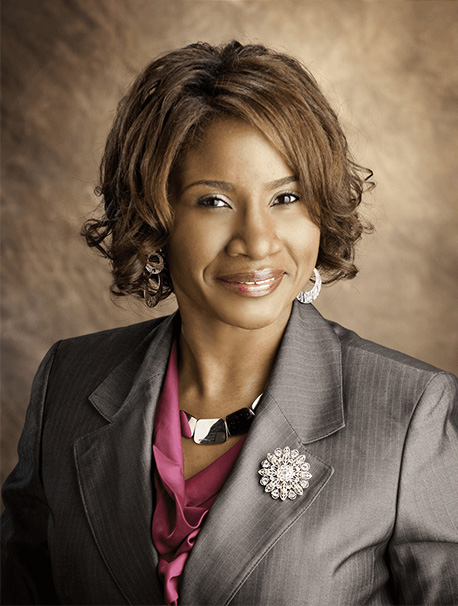
Jo-Anne Williams Barnes, is a Certified Public Accountant (CPA) and Chartered Global Management Accountant (CGMA) holding a Master’s of Science in Accounting (MSA) and a Master’s in Business Administration (MBA). Additionally, she holds a Bachelor of Science (BS) in Accounting from the University of Baltimore and is a seasoned accounting professional with several years of experience in the field of managing financial records for non-profits, small, medium, and large businesses. Jo-Anne is a certified Sage Intacct Accounting and Implementation Specialist, a certified QuickBooks ProAdvisor, an AICPA Not-for-Profit Certificate II holder, and Standard for Excellence Licensed Consultant. Additionally, Jo-Anne is a member of American Institute of Certified Public Accountant (AICPA), Maryland Association of Certified Public Accountants (MACPA), and Greater Washington Society of Certified Public Accountants (GWSCPA) where she continues to keep abreast on the latest industry trends and changes.