

Financial stability is about more than ending the year with a balanced budget. For nonprofits, it also means having the flexibility to navigate unexpected challenges, respond to new opportunities, and continue advancing the mission when funding is delayed or expenses increase.
Operating reserves play an essential role in that financial resilience.
Many nonprofits use three to six months of operating expenses as an initial benchmark for reserves, but there is no universal target. An organization that relies primarily on government reimbursement grants faces different financial risks than one supported by recurring monthly donors. Likewise, a nonprofit with seasonal fundraising events has different cash flow needs than one with consistent year-round revenue.
Rather than asking how much every nonprofit should hold in reserve, boards and leadership should ask a more strategic question:
What level of operating reserves does our organization need to remain financially resilient?
Why Operating Reserves Matter for Nonprofit Financial Resilience
Even financially healthy nonprofits experience unexpected disruptions.
Grant reimbursements may be delayed, major donors may postpone contributions, fundraising events may underperform, or emergency expenses may arise. Economic conditions can also increase demand for services while reducing available funding.
Without adequate reserves, organizations may need to delay hiring, postpone investments, draw on lines of credit, or reduce services when communities need them most.
A well-planned operating reserve provides financial flexibility, allowing leadership to respond strategically rather than react under financial pressure. It also demonstrates responsible financial stewardship to boards, donors, funders, and lending institutions.
Cash on Hand Is Not the Same as an Operating Reserve
A healthy bank balance does not necessarily mean an organization has adequate operating reserves.
Much of a nonprofit’s cash may already be committed through donor restrictions, grant requirements, advance payments, contract liabilities, or refundable advances. Those funds are not available to support general operating needs.
An operating reserve typically consists of liquid resources within net assets without donor restrictions that the board has formally designated for operational needs. These reserves provide flexibility to manage temporary cash flow disruptions, unexpected expenses, or short-term revenue losses.
They are not intended to fund ongoing structural operating deficits.
Understanding this distinction allows leadership to make more informed decisions about liquidity and long-term financial planning.
Factors That Should Influence Your Nonprofit’s Reserve Target
Rather than relying solely on a general benchmark, nonprofits should evaluate the unique financial risks facing their organization.
Funding Sources
Organizations that depend heavily on a small number of grants or major donors face greater revenue concentration risk than those with diversified funding streams. Larger reserves can help bridge funding gaps if a significant revenue source is delayed or reduced.
Grant Reimbursement Timing
Many nonprofits incur program expenses before receiving reimbursement from grantors. Long reimbursement cycles can create temporary cash flow challenges even when programs remain financially healthy.
Organizations with reimbursement-based funding often benefit from maintaining larger operating reserves.
Donor Restrictions
Restricted contributions are essential to mission delivery but generally cannot be used for unrestricted operating expenses. Reserve planning should focus on unrestricted resources that provide financial flexibility.
Staffing Commitments
Payroll is often a nonprofit’s largest recurring expense. Organizations with significant staffing obligations or specialized employees may require larger reserves to maintain operational continuity during funding disruptions.
Growth Plans
Expanding programs, opening new locations, or launching major initiatives often requires upfront investment before additional revenue is realized. Operating reserves can provide stability during periods of growth, although planned expansion costs may be better supported through a separate growth or opportunity reserve.
Common Mistakes in Nonprofit Reserve Planning
Reserve calculations can become misleading when organizations make incorrect assumptions.
One common mistake is including restricted funds when calculating available reserves. While these dollars contribute to total cash balances, they are generally unavailable for day-to-day operations.
Organizations should also clearly define which operating expenses are included when determining reserve targets. Some include all operating costs, while others exclude noncash, one-time, pass-through, or readily reducible expenses.
Another common mistake is failing to revisit reserve goals over time. As staffing, funding sources, and operational risks change, reserve targets should be reviewed and updated to reflect the organization’s current financial position.
Why Reserve Policies Support Strong Governance
Building reserves is only part of the process.
A formal reserve policy helps boards establish consistent expectations for how reserves are accumulated, maintained, monitored, and used.
An effective reserve policy typically addresses:
- The purpose of the reserve
- Target reserve levels
- Approval authority for withdrawals
- Monitoring and reporting responsibilities
- Liquidity and investment guidelines
- A plan for replenishing reserves after use
These policies support stronger governance, reduce uncertainty during financial challenges, and reinforce the board’s fiduciary responsibility for long-term financial stewardship.
Practical Steps for Building Operating Reserves
Building a meaningful operating reserve rarely happens overnight. For most nonprofits, it is a gradual process supported by intentional financial planning.
Organizations can strengthen reserves by:
- Budgeting for modest annual operating surpluses
- Designating portions of year-end surpluses for reserves when sufficient liquid resources are available
- Seeking unrestricted operating support from donors
- Improving cash flow forecasting
- Reviewing operating expenses for efficiencies
- Diversifying revenue sources to reduce dependence on any single funder
Even modest annual contributions can strengthen financial resilience over time.
The objective is not simply accumulating cash. It is creating the flexibility to continue fulfilling the organization’s mission despite temporary financial challenges.
Building Financial Resilience for the Future
Every nonprofit faces uncertainty, but every organization experiences different financial risks.
For that reason, operating reserve targets should reflect an organization’s funding model, cash flow patterns, staffing commitments, strategic priorities, and overall risk profile—not simply a generic industry recommendation.
Thoughtfully managed reserves provide more than financial security. They strengthen governance, improve organizational resilience, and allow leadership to make decisions with a long-term perspective instead of reacting to short-term financial pressures.
Strengthen Your Nonprofit’s Reserve Strategy with JFW Accounting Services
At JFW Accounting Services, we help nonprofit organizations strengthen financial planning, improve cash flow management, and develop reserve strategies that support long-term sustainability. Whether your organization is establishing its first reserve policy or reassessing an existing target, our team can help you build a financial framework aligned with your mission and future goals.
A strong operating reserve is not about preparing for the worst. It is about giving your organization the stability and flexibility to continue serving its mission, regardless of the challenges or opportunities ahead.
Learn more about JFW’s nonprofit accounting services or contact JFW Accounting Services to discuss building a stronger operating reserve strategy for your organization.
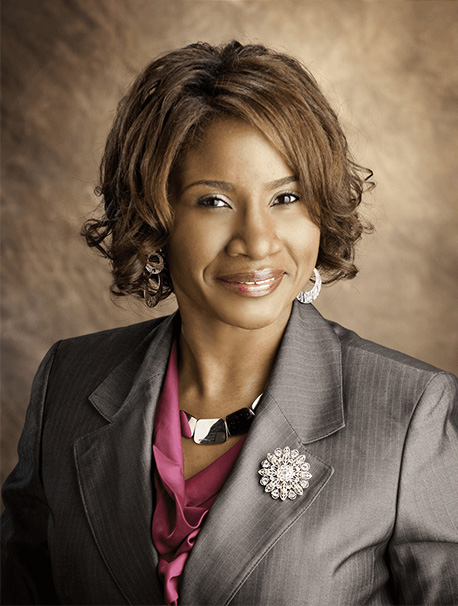
Jo-Anne Williams Barnes, is a Certified Public Accountant (CPA) and Chartered Global Management Accountant (CGMA) holding a Master’s of Science in Accounting (MSA) and a Master’s in Business Administration (MBA). Additionally, she holds a Bachelor of Science (BS) in Accounting from the University of Baltimore and is a seasoned accounting professional with several years of experience in the field of managing financial records for non-profits, small, medium, and large businesses. Jo-Anne is a certified Sage Intacct Accounting and Implementation Specialist, a certified QuickBooks ProAdvisor, an AICPA Not-for-Profit Certificate II holder, and Standard for Excellence Licensed Consultant. Additionally, Jo-Anne is a member of American Institute of Certified Public Accountant (AICPA), Maryland Association of Certified Public Accountants (MACPA), and Greater Washington Society of Certified Public Accountants (GWSCPA) where she continues to keep abreast on the latest industry trends and changes.